How I changed how my PMs define success
PubMatic is a B2B ad tech company with four product teams and ~30 PMs. As Lead Designer, I owned the analytics function and led the migration from Pendo to Amplitude from 2022 through the January 2026 cutover.
Pendo measured clicks. Leadership was asking whether revenue happened. Years of training hadn't closed the gap, because the tool let PMs ship tracking without ever defining what they were measuring.
I owned the program end-to-end: tool evaluation across six products, KPI planning with the four product teams, event taxonomy design with engineering, and a reframe of how the org defines success — from clicks to revenue outcomes. The work was less about analytics and more about establishing measurement discipline across the organization.
2026
The tool wasn't broken. The operating model around it was.
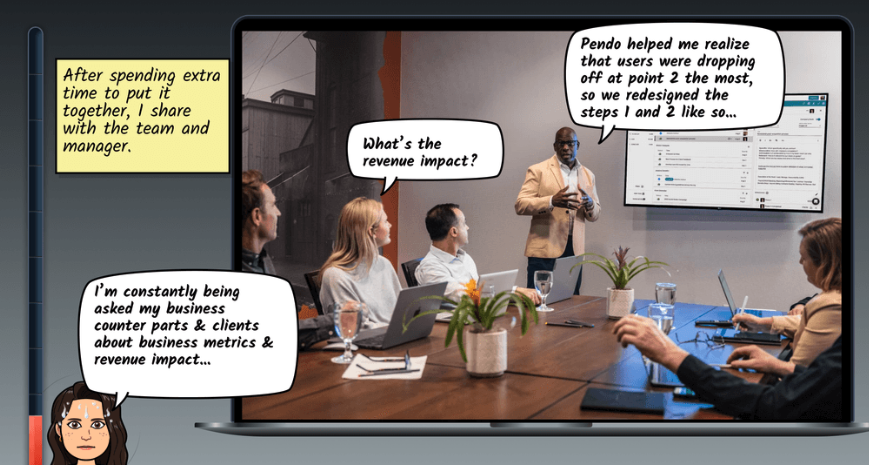
Three structural problems had compounded over years:
What was needed wasn't a better dashboard. It was a forcing function for measurement discipline.
Why I proposed migrating tools
For four years, I tried to fix the problem inside the existing structure: quarterly Pendo workshops, written manuals, one-on-ones with PMs. The needle didn't move.
By 2024, I was clear on the diagnosis. This wasn't a training problem. Pendo's strength was that anyone could set up tracking in a few clicks, and that was also why it failed. PMs could ship measurement without ever answering the harder question: what are we trying to learn? Adding more training on top of a tool that didn't require thought wasn't going to change behavior. I'd proven that to myself the hard way.
The shift came when I realized I was treating Pendo as fixed and trying to work around it. The tool wasn't the constraint I had to live inside. It was the lever I'd been ignoring.
Tools evaluated






So I started the conversation about replacing it. Amplitude requires custom events, which require engineering time, which require PM justification. The friction the tool introduced is what would create the conversation Pendo had skipped. The tool change was the mechanism. The actual target was how the org makes decisions.
Current state · How the org was structured
That's why this project sits at the org and infrastructure layer, not the screen layer. The deliverable wasn't an interface. It was a shared operating definition of success across four product teams.
Five decisions shaped how we approached measurement
None of these were screen-design decisions. All were decisions about how the org would operate after the migration. I'll walk through them in the order they happened, because the sequence matters.
Decision 1: Selected Amplitude for the problem we were about to have, not the one we currently had.
Amplitude and Mixpanel were nearly tied on conventional criteria. The tipping factor was AI agent measurement, which our product was about to need at scale. I selected for that (I decided the tool, my boss paid for the tool), not for today's analytics parity.
Decision 2: Sunset Pendo cleanly. Only migrate data upon request.
A counterpart wanted to ingest a year of Pendo data into Amplitude. I pushed back. Importing all the old data was a large Engineering effort with little upside. The clean break forced every new report to engage with the new operating model.
Decision 3: Made tracking a PM accountability, not a design service.
Pendo had failed because PMs treated measurement as something design produced for them. Amplitude's custom event requirement moved the work to where the decisions get made. Each PM now justifies what they're measuring, why, and how it ties to their KPIs — at the planning stage rather than after launch.
Decision 4: Pushed for 5 shared KPIs across the organization, instead of each team defining their own.
The easy path was letting each team define its own KPIs. I argued for five shared across all four teams instead. The negotiation to land those five was the actual point: it forced the first cross-team conversation about what "good" means.
Decision 5: Reframed what gets measured, from clicks to end states.
This is the work that turned the project from an analytics migration into a product strategy project.
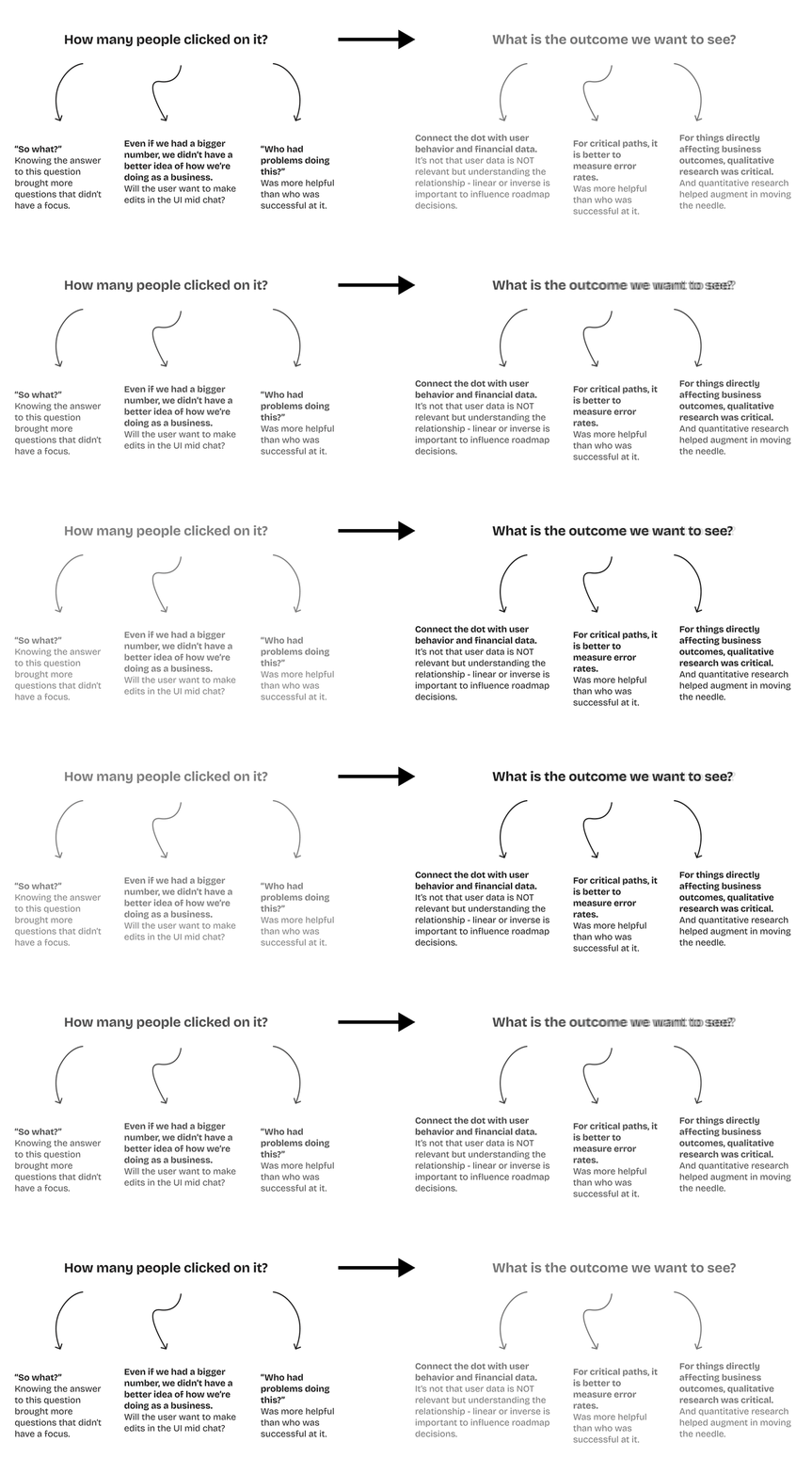
The shift was moving PMs from measuring intent ("they clicked the button") to outcomes ("the campaign went live, revenue posted"). Each KPI became a chain across source systems, not a single event. Once PMs could see the full chain from click to dollar, prioritization conversations changed.